
You've tried on a lipstick that looked amazing in the tube and terrible on your face. Color analysis explains why — and how to stop it from happening.
Quick Answer
Yes. Color analysis saves you money on makeup and clothing that clashes with your natural coloring.
→ Score any product for your season — free
Color analysis in plain language
Color analysis is a system for figuring out which colors harmonize with your natural coloring — your skin tone, eye color, and hair color. When you wear colors that match your natural palette, they make your skin look clear and healthy. When you wear colors that clash, they can wash you out, emphasize shadows, or make your complexion look uneven.
The idea isn't new. In the 1940s, a color theorist named Suzanne Caygill started categorizing people into seasonal palettes based on their natural coloring. By the 1980s, the concept had been simplified into four broad groups — Spring, Summer, Autumn, and Winter — each named after the season whose colors they echo. If you've heard someone say "I'm a Winter," that's where it comes from.
The four-season system works as a starting point. But four categories for every person on earth leaves a lot of room for error. That's where the 12-season system comes in.
Curious which season you are?
Take the free color analysis quiz — 2 minutes, no email required. You'll get your season and a palette you can use right away.
Take the Free Quiz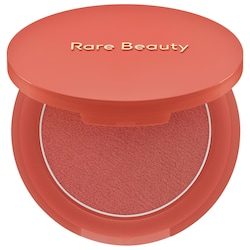

FREE DOWNLOAD
Free: 30-Page Color Analysis Guide
Undertones, all 12 seasons, full makeup breakdowns — everything in one guide. Drop your email and it's yours.
No spam. Unsubscribe anytime.
Why 12 seasons instead of 4
The 12-season system (also called the Sci/Art system) splits each classic season into three subtypes based on what makes your coloring distinctive. Every person's coloring has a dominant characteristic — it's either notably warm, cool, light, deep, bright, or muted. The 12-season system captures that nuance.
Here's what that looks like in practice:
Spring splits into Light Spring (light + warm), True Spring (warm + bright), and Bright Spring (bright + warm). Summer splits into Light Summer (light + cool), True Summer (cool + muted), and Soft Summer (muted + cool). Autumn splits into Soft Autumn (muted + warm), True Autumn (warm + deep), and Deep Autumn (deep + warm). Winter splits into Deep Winter (deep + cool), True Winter (cool + bright), and Bright Winter (bright + cool).
Four attributes drive the entire system: undertone, depth, chroma, and contrast. Undertone is whether your coloring leans warm (golden, peachy) or cool (pink, blue-toned). Depth is how light or dark your overall coloring reads. Chroma is how vivid or muted your natural coloring is. Contrast is the difference between your lightest and darkest features — hair against skin, iris against the whites of your eyes.
When you know your season, you know which values of those four attributes work for you. And that's what makes color analysis practical — it turns into a filter you can use every time you pick up a product.
What color analysis actually tells you
Your season gives you a palette — a set of colors that harmonize with your natural coloring. That palette applies to everything: makeup, clothing, jewelry, even hair color.
Here's a concrete example. If you're a Soft Autumn, a dusty peach blush looks like your natural flush. A bright coral fights your coloring — it overpowers your muted, warm complexion and makes the blush look like it's sitting on top of your skin instead of blending in. Both are blush. Both are "peach." But one is a YAY and the other is a NAY.
That's the difference color analysis makes. You stop buying products that look good in the pan and start buying products that look good on you.
Not sure where you fall? Take the free color quiz — it takes about 2 minutes.
Your free 12-season color guide is ready
30 pages of palettes, product picks, and styling tips — matched to your season. Delivered straight to your inbox.
No spam. Just your free guide.
How to find your season
You have three paths, depending on how much precision you need:
1. A free online quiz. An AI-powered quiz evaluates your undertone, depth, and contrast from a few questions or a selfie and assigns you a season. You'll get a result in about 2 minutes. For most people, this is accurate enough to start shopping with confidence. Here's how free color quizzes work.
2. Professional draping. A trained color analyst holds fabric swatches next to your face under controlled lighting and watches how your skin responds to each color. This is the gold standard for precision — especially for edge cases like olive undertones or seasons that sit close together. Sessions typically cost $200–$500. Here's how AI and professional analysis compare.
3. You already know. If a professional has already told you your season, you don't need to re-diagnose. Skip the quiz and go straight to using your palette.
Quick reality check: Color analysis isn't magic, and no system is 100% precise for everyone. But even an approximate season gives you a useful filter. You'll make fewer misbuys, skip fewer returns, and spend less time wondering why a product looks wrong.
What you can do once you know your season
Knowing your season is the starting point. The real value is what happens next — you can actually use it every time you shop.
Score any product before you buy it. TruHue scores over 40,000+ makeup products YAY (great match), OKAY (wearable), or NAY (clashing) for your specific season. Scan a barcode in the store or search by name. You'll know before you buy whether that lipstick, blush, or eyeshadow actually works with your palette.
Skip the returns. When you buy products that score YAY for your season, they harmonize with your natural coloring. No more surprise clashes when you get home and try something on in real light.
Shop trends on your terms. When a new color trend drops, you don't have to guess whether it works for you. Your season tells you which version of that trend fits your palette. A Bright Winter and a Soft Summer can both wear mauve — just different mauves.
Build a makeup collection that works together. Products in the same seasonal palette look cohesive together. You stop accumulating random shades and start building a collection where everything coordinates.
Frequently Asked Questions
Is color analysis worth it?
Yes. You'll save money on makeup and clothing that clashes with your natural coloring. Once you know your season, you stop guessing and start buying products that actually work with your skin tone, eye color, and hair color. A free quiz can get you started in two minutes.
Can I do color analysis at home?
You can. Start with a free online quiz that evaluates your undertone, depth, and contrast to identify your color season. For the most accurate DIY results, use natural daylight, remove your makeup, and wear a neutral top. An AI-powered quiz like TruHue's gives you a season result in about 2 minutes.
How accurate is online color analysis?
Online color analysis apps reach about 80–90% accuracy for identifying your broad season. For most people, the result is correct or close enough to be useful for shopping. Edge cases like olive undertones or neutral-warm borderlines are harder to diagnose remotely — a professional draping session resolves those.
Do I need to pay for color analysis?
You don't have to. Free AI quizzes accurately identify your season in most cases. Professional in-person draping costs $200–$500 and is more precise for borderline cases, but it's not required to start shopping with your colors. Try a free quiz first — if the result feels right and the recommended colors look good on you, you're set.
Keep exploring
- How TruHue scores products
- The 12 color seasons, explained
- What color season am I?
- Free color analysis quiz — how it works
- Warm vs. cool undertones: how to tell
- Undertone, depth, chroma, and contrast
- AI vs. professional color analysis
- Is color analysis a scam?
- Score any product for your season — free, instant (tool)
By Claudia + Liv, TruHue
Honest makeup matching. Made by a mom and her daughter, in Oklahoma.
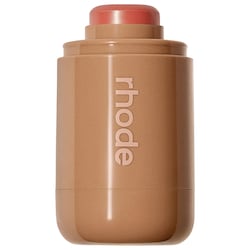
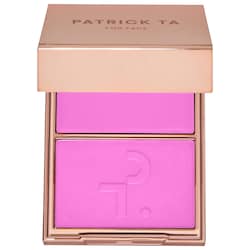
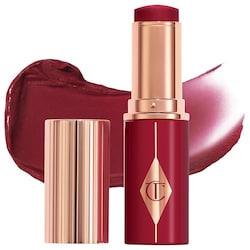
Shop the products in this post
Some links in this post are affiliate links. When you shop through them, TruHue earns a small commission at no cost to you — it’s how we keep the app free.
Take TruHue Shopping With You
Scan any barcode in the store and see your YAY, OKAY, or NAY score before you buy. Free on the App Store.
Download the App →Find out your color season
TruHue's free quiz takes 2 minutes. You'll get your season and a palette that tells you which products work with your coloring.
Take the free quiz