
"What color season am I?" is the question that leads millions of people down the rabbit hole of seasonal color analysis every year. And most of them come out the other side more confused than when they started — because the internet is full of oversimplified quizzes that ask five vague questions and spit out an answer that doesn't feel right.
This guide is different. We're going to walk you through the actual framework that professional color analysts use: a three-step decision process based on your undertone, depth, and chroma. By the end, you'll either know your season or be very close — and you'll understand why it's your season, which matters more than a label.
Short answer:
Your color season is one of 12 palettes in the Sci/Art color analysis system — determined by your skin's undertone (warm or cool), your depth (light to deep), and your chroma (muted to clear). For example, if you have a cool undertone, medium depth, and soft chroma, your season is Soft Summer. The fastest way to find yours is a free color analysis quiz that reads all three dimensions from your photos in about two minutes.
Quick Answer
Your color season depends on three things: your undertone (warm or cool), your depth (light, medium, or deep), and your chroma (muted or clear).
→ Score any product for your season — free
Why Your Color Season Matters
Color season isn't just an aesthetic preference or a personality type. It's based on the physical pigments in your skin, eyes, and hair that interact with light and reflected color. When you wear colors that harmonize with your natural coloring, something specific happens: your skin looks more even, your eyes look brighter, and your features look defined. When you wear colors that clash, you get the opposite — shadows under the eyes darken, skin looks sallow or ruddy, and you look tired even when you're not.
Not sure which season you are?
Take the free color analysis quiz — 2 minutes, no email required. Then every product in this post gets scored for your palette.
Take the Free Quiz
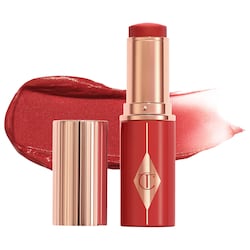
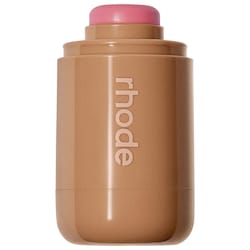
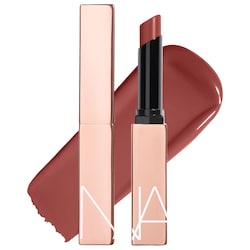

This isn't subtle. Once you see the difference between a YAY color and a NAY color on your own face, it's hard to unsee. And it explains every time you've put on a shirt or lipstick that looked gorgeous on the hanger but somehow looked wrong on you.
FREE DOWNLOAD
Free: 30-Page Color Analysis Guide
Undertones, all 12 seasons, full makeup breakdowns — everything in one guide. Drop your email and it's yours.
No spam. Unsubscribe anytime.
The Three Dimensions That Define Your Season
Every color season is a unique combination of three attributes. Think of them as coordinates on a map — when you know all three, you've found your exact location.
Not sure of your season yet? Take the free color quiz — it takes about 2 minutes.
Your free 12-season color guide is ready
30 pages of palettes, product picks, and styling tips — matched to your season. Delivered straight to your inbox.
No spam. Just your free guide.
Undertone: Warm or Cool
This is the most important dimension. Your undertone is the warmth or coolness beneath the surface of your skin — it's genetic, it never changes, and it's the single biggest factor in which colors work on you.
Warm undertone means golden, peachy, or olive tones. You probably look better in gold jewelry than silver. The warm seasons are Spring (light, clear warmth) and Autumn (rich, earthy warmth).
Cool undertone means pink, blue, or rosy tones. Silver jewelry tends to look more natural on you. The cool seasons are Summer (soft, muted cool) and Winter (bold, high-contrast cool).
Not sure? Our complete undertone guide has five tests you can do at home right now.
Depth: Light, Medium, or Deep
Depth is about the overall lightness or darkness of your natural coloring — skin, hair, and eyes considered together. This isn't just skin shade; someone with fair skin but very dark hair and eyes has more depth than someone with fair skin, light hair, and light eyes.
Light — fair skin with light to medium hair and eyes. Colors that are too heavy or saturated will overpower you. Light seasons: Light Spring and Light Summer.
Medium — moderate contrast between skin, hair, and eyes. You can handle a wide range of color intensity. Medium-depth seasons: True Spring, True Summer, Soft Summer, Soft Autumn, True Autumn.
Deep — rich, dark coloring with high contrast. Light, washed-out colors will look flat on you. Deep seasons: Deep Autumn, Deep Winter, True Winter.
Chroma: Muted or Clear
This is the one most people overlook — and the one that makes the 12-season system so much more useful than the basic four-season model. Chroma is about how vivid or soft your natural coloring appears.
Muted — your coloring has a soft, blended quality. Nothing about your features screams for attention, but there's an understated harmony. Vivid, bright colors will overpower you. Muted seasons: Soft Summer and Soft Autumn.
Clear — your features are crisp and distinct. You might have bright eyes, high contrast between hair and skin, or coloring that looks vivid even without makeup. Dusty, greyed-out colors will dull you. Clear seasons: Bright Spring and Bright Winter.
Moderate — you're somewhere in the middle and can handle medium-saturation colors comfortably. Most seasons have moderate chroma.
The Decision Flowchart
Now let's put it together. Work through these three questions in order. Your answers will narrow you to one (or sometimes two) of the 12 seasons.
All 12 Seasons at a Glance
Here's a quick reference for every season. Click any season to see its full palette, best makeup picks, and FAQ.
Questions People Search Most
What season am I based on my appearance?
Look at three things: your skin's undertone (do gold or silver tones look more natural on you?), your overall depth (how light or dark is your coloring as a whole?), and your chroma (does your natural coloring look vivid and crisp, or soft and blended?). Warm + light + clear = a Spring season. Cool + deep + vivid = a Winter season. The 12-season system uses all three measurements together to give you a precise match, not a rough guess.
What color season am I if I have brown eyes?
Brown eyes alone don't determine your season — you can be any of the 12. What matters is the temperature of your brown (golden-brown leans warm, cool espresso leans cool), plus your skin undertone and hair color. A person with warm brown eyes, golden skin, and medium-brown hair is likely a Soft Autumn or True Autumn. The same eye color with porcelain skin and black hair could easily be a True Winter or Deep Winter.
What color season am I if I have olive skin?
Olive skin has a green-yellow undertone that sits between traditional warm and cool — and it's one of the most commonly mistyped. Many olive-skinned people test as Soft Autumn, True Autumn, or Deep Autumn (warm olive), while others land in Soft Summer or True Summer (cool olive). The key is whether your olive leans golden-green (warm) or grey-green (cool). TruHue's quiz is specifically calibrated to detect olive undertones.
Can I take a color season quiz online for free?
Yes. TruHue's free color analysis quiz uses AI to analyze your undertone, depth, chroma, and contrast from photos. It takes about two minutes and maps you to one of the 12 seasons. Unlike most online quizzes that ask vague multiple-choice questions, TruHue actually measures color attributes from your face — the same dimensions a professional analyst would assess in person.
Common Mistakes People Make
Mistake #1: Confusing skin tone with undertone. "I have light skin, so I must be a Summer or Spring." Nope. Depth and undertone are separate dimensions. Very fair people can be any of the 12 seasons. So can very deep-skinned people. Don't let your surface color shortcut the process.
Mistake #2: Going by eye color alone. Blue eyes don't automatically make you a Summer. Brown eyes don't automatically make you an Autumn. Eye color is a hint, but it's one data point among many. Your overall coloring — skin, eyes, and hair together — is what determines your season.
Mistake #3: Testing in bad lighting. Fluorescent lights add a blue-green cast. Warm incandescent lights add orange. Both will throw off your color assessment. Always test in natural daylight, ideally near a window without direct sun. This is non-negotiable if you want accurate results.
Mistake #4: Comparing yourself to celebrity lists. Celebrity season assignments are estimates based on photos taken under professional lighting and often with heavy makeup. They're useful as rough examples, but if you don't look exactly like a listed celebrity, it doesn't mean you're not that season.
What If I'm Between Two Seasons?
This happens often, and it's actually a sign that you're close to getting it right. The 12-season system has natural borders where seasons overlap. The most common "border" pairs are Soft Summer and Soft Autumn (both muted, one cool, one warm), Light Spring and Light Summer (both light, one warm, one cool), and Deep Autumn and Deep Winter (both deep, one warm, one cool).
If you're stuck between two, try this: pick one lipstick shade that's clearly warm-toned and one that's clearly cool-toned. Wear each for a day. The one that gets you compliments — or that makes you look in the mirror and think "yes" — is the direction your season falls. The undertone test is the tiebreaker because it's the one dimension that matters most.
Where DIY Analysis Breaks Down
We want to be honest with you about the limits of self-typing. After taking color analysis classes and spending months building TruHue's scoring system, here's where people most often get stuck:
Chroma is almost impossible to self-assess. Most people have never evaluated their own saturation level. Without side-by-side draping (which requires specific colored fabrics and controlled lighting), chroma assessment is usually a guess. This is the number one reason for mistyping — and it's why a lot of "I think I'm a Soft Autumn" turns out to be a True Autumn or a Soft Summer once you measure it properly.
The Shortcut: Let TruHue Figure It Out
Everything above works — but it takes time, attention, and honestly, a fair amount of objectivity about your own face. We built TruHue because we wanted a faster, more accurate way to answer "what color season am I?" without the guesswork.
TruHue's AI analyzes your coloring from photos — undertone, depth, chroma, and contrast — and maps you to your season in minutes. Then it goes further: every product you scan gets scored against your personal palette. So you're not just learning your season, you're immediately putting it to use.
Want to find your color season yourself?
The self-guided course walks you through it — 7 modules, 18 draping exercises, printable swatch set. $24.99, instant download.
See the Course →Keep exploring
- The 12 colour seasons — find yours
- The four dimensions of color analysis
- How to check any product in store
- Found your color season — now what?
- Undertone, depth, chroma, and contrast
- Free color analysis quiz
- Color analysis (Wikipedia) (external)
- Munsell color system (external)
- Am I Warm or Cool Toned? Here's How to Tell
- What Is Color Analysis? A Beginner's Guide
- Does Dyed Hair Change Your Color Season?
- Score any product for your season — free, instant (tool)
Shop the products in this post
Some links in this post are affiliate links. When you shop through them, TruHue earns a small commission at no cost to you — it’s how we keep the app free.
Take TruHue Shopping With You
Scan any barcode in the store and see your YAY, OKAY, or NAY score before you buy. Free on the App Store.
Download the App →Find Your Season in Minutes
Take TruHue's free color analysis quiz — we'll analyze your undertone, depth, and chroma and match you to one of 12 seasons. Then score any makeup product YAY, OKAY, or NAY.
Take the Free QuizFrequently Asked Questions
What color season am I?
Your color season depends on three things: your undertone (warm or cool), your depth (light, medium, or deep), and your chroma (muted or clear). By assessing all three — using tests like the vein check, white drape, or jewelry comparison — you can narrow down to one of 12 seasons. Or take TruHue's quiz and let AI do the analysis from your photos.
How do I find my color season at home?
Start with an undertone test to determine warm vs. cool. Then assess your depth — look at your overall coloring (skin + hair + eyes) and decide if it's light, medium, or deep. Finally, check your chroma — do muted, greyed-down colors look better on you, or vivid, saturated ones? Use these three answers with the flowchart above to find your season.
Can I be two color seasons?
You have one primary season, but it's completely normal to share some overlap with a neighboring season — especially if your coloring sits near a border. For example, Soft Summer and Soft Autumn are close because both are muted. If you're near the border, colors from both will look decent, but one season's palette will consistently look better.
Does my color season change if I dye my hair?
Your core season doesn't change because it's based on your natural skin undertone, which is genetic and permanent. But dyeing your hair can shift your apparent contrast — going from blonde to dark brown increases contrast, which might make a slightly different set of shades feel more flattering. Your undertone and best palette remain the same.
What is the rarest color season?
There's no single "rarest" season — distribution depends on genetics and ethnic background. That said, the high-clarity seasons (Bright Spring and Bright Winter) tend to be less common because they require a specific combination of strong undertone plus high clarity and high contrast.
Is this the same as the 4-season system?
It's built on the same foundation — warm/cool and light/deep — but the 12-season system goes further by adding chroma as a third dimension and splitting each base season into three sub-seasons. This makes it precise enough to guide real decisions. The basic 4-season system tells you "you're an Autumn." The 12-season system tells you which Autumn — and that makes all the difference at the makeup counter.
Keep Learning
The Complete Guide to All 12 Color SeasonsHow to Find Your Undertone: 5 Tests That Work
Warm vs. Cool Undertones Explained
Free Color Analysis Quiz — How It Works
Color Analysis for Olive Skin
Color Analysis for Dark Skin Tones
Undertone, Depth, Chroma, and Contrast
Best Color Analysis Apps in 2026