
Coral is everywhere this summer — on nails, on lips, on cheeks. Every brand from drugstore to luxury has at least three coral shades in rotation right now. But here’s the thing you learn fast when you score products by color season: “coral” covers a range from soft peach to bold orange-red, and those shades score very differently depending on your palette.
A Light Spring’s perfect coral and a Deep Winter’s perfect coral are not the same product. They’re not even in the same color family once you break them down by undertone, depth, and chroma. So before you grab the first coral polish that catches your eye this summer, you need to know: which coral is actually your coral?
Quick Answer
Yes, but lean toward pink-coral or rose-coral, not orange-coral. The closer to pink, the more it works for Summer and Winter palettes.
→ Score any product for your season — free
What makes coral tricky
Coral sits right between orange and pink on the color wheel. That in-between position is exactly what makes it interesting — and exactly what makes it unreliable as a “universal” summer color.
It leans warm. Most corals have a yellow-orange undertone, which means they naturally favor warm seasons (Spring and Autumn). If you’re a warm season, you have more coral options than you can count. If you’re a cool season, your options narrow fast — you need corals that lean more pink than orange.
Chroma matters as much as undertone. A soft, muted peach-coral works for seasons that handle gentle color — Light Spring, Soft Autumn. A vivid, saturated coral-orange works for seasons that need intensity — Bright Spring, Bright Winter. Grab the wrong chroma level and even the right undertone won’t save it.
Depth splits the field further. A pale peach-coral on deep skin can look washed out. A deep brick-coral on fair skin can look heavy. You need the right depth bracket for your natural contrast level.
Coral scored by season
Here’s how coral breaks down across all 12 seasons, grouped by family. Each recommendation points you toward the type of coral that scores highest for your palette.
Spring seasons
Coral is your color. All three Springs score well with coral — you just need the right version for your specific Spring.
Light Spring — Soft peach-coral. Think diluted, gentle, more peach than orange. Low-to-moderate chroma. You want it to look like a warmer version of your blush, not a traffic cone.
True Spring — Classic coral. The platonic ideal of coral lives here: warm, clear, medium-depth, unmistakably orange-pink. This is the season coral was made for.
Bright Spring — Vivid coral-orange. You need saturation. A muted coral will look flat on you. Go bold — the brighter, the better.
Summer seasons
Coral is tricky territory for you. It leans warm, and Summers are cool-toned. You can make it work, but only with very specific shades.
Light Summer — Very pink-leaning coral only. If it reads more pink than orange — almost a warm rose — you can wear it. If it reads orange at all, skip it.
True Summer & Soft Summer — Most corals lean too warm for you. Look for “rose coral” or “coral pink” in the shade name — those signal a cooler base. Or consider skipping coral nails entirely and wearing your coral on lips where the color is smaller and closer to your face.
Autumn seasons
You can wear coral — but your version is richer and deeper than Spring’s. Think warm copper, terracotta, and brick rather than bright orange-pink.
Soft Autumn — Muted terracotta-coral. Dusty, earthy, low chroma. It should look like a faded clay pot in Tuscany, not a neon sign.
True Autumn — Warm copper-coral. Medium depth, moderate chroma, decisively warm. Think autumn leaves with a pink undertone.
Deep Autumn — Deep brick-coral. The richest, darkest version of coral that still reads as coral. It needs depth and warmth in equal measure.
Winter seasons
Classic coral is usually too warm and too soft for you. But there’s a narrow lane where coral can work — when it’s extremely vivid or leans into berry territory.
Bright Winter — Hot coral, almost neon. You need maximum saturation with a slight pink shift. Think of the coral in a tropical sunset — intense, electric, nothing muted about it.
True Winter & Deep Winter — Berry-coral or skip classic coral entirely. If a shade reads more red-berry than orange-coral, it can cross into your palette. But a true orange-coral will clash with your cool, high-contrast coloring.
Not sure of your season? Take the free color quiz — 2 minutes, no email required. Then every coral polish in this post gets scored for your specific palette.
Your free 12-season color guide is ready
30 pages of palettes, product picks, and styling tips — matched to your season. Delivered straight to your inbox.
No spam. Just your free guide.


Best coral nail polishes scored
Here are real products from the TruHue catalog with actual scores. No guessing, no vibes — just hex codes and season data.
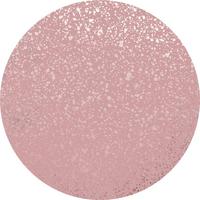
The $2 universal starter. This soft peach-coral has low enough chroma to score OKAY across multiple seasons, and its warmth makes it a YAY for Bright Spring. If you’ve never tried coral nails and want a low-risk entry point, start here.
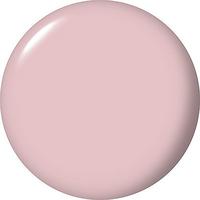
The luxury pick. Dior Coral Crush is a bold, saturated coral-red that scores YAY for three seasons and OKAY for four more. High chroma and warm undertone make it ideal for seasons that can handle intensity.
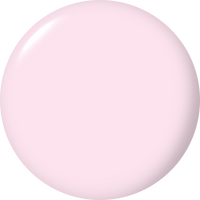
A warm, matte coral with apricot undertones. Same YAY seasons as Dior Coral Crush but at a mid-range price point and with a fashionable matte finish. The orange lean makes it decisively warm.
Essie “Peach Side Babe” — A classic mid-range coral-peach. Widely available at drugstores. Look for it if you want a middle-ground between the softness of L.A. Colors Peach and the intensity of Dior Coral Crush.
OPI “Suzi is My Avatar” — A vivid coral for Bright seasons. High saturation, clean warm base, designed for nails that want to be noticed. If you’re a Bright Spring or Bright Winter and want coral that matches your energy, this is your shade.
How to tell if YOUR coral is right
You don’t always have your phone open when you’re standing in the nail polish aisle. Here’s a quick physical test you can do with any coral shade:
Hold the polish bottle next to your inner wrist. Look at the skin around it, not the polish itself.
If your veins look more blue or purple — the coral is too warm for you. It’s pushing your cool undertone to compete with the warmth. Put it back.
If your skin looks clearer and brighter — the coral harmonizes with your coloring. Your skin is responding well to the warmth level and the chroma. That’s your coral.
If your skin looks sallow or yellow — the coral’s undertone is clashing. Even if it’s a pretty shade in the bottle, it’s not working with your palette.
When in doubt, search any product at truhue.app/app and get your score instantly. No guessing required — you’ll see YAY, OKAY, or NAY for your exact season.
Frequently Asked Questions
Can cool seasons wear coral at all?
Yes, but lean toward pink-coral or rose-coral, not orange-coral. The closer to pink, the more it works for Summer and Winter palettes. Bright Winter can handle vivid hot coral because it thrives on intensity, but True Summer and Soft Summer need something that reads more rose than orange.
Is coral the same as peach?
No. Peach is lighter and more muted. Coral is more saturated with more orange. Peach works on more seasons because it’s less chromatic — it doesn’t push undertone as hard. A soft peach can score OKAY for cool seasons where a vivid coral would score NAY.
What’s the best drugstore coral nail polish?
L.A. Colors Peach ($2) is hard to beat for the price. It’s a soft peach-coral that scores YAY for Bright Spring and OKAY for 5 other seasons including Light Spring, True Spring, True Autumn, Deep Autumn, and Bright Winter. At $2, you can try coral without committing to a $30+ bottle.
Want to try these products?
Shop on Amazon →TruHue may earn a small commission at no extra cost to you.
Keep exploring
Shop the products in this post
Some links in this post are affiliate links. When you shop through them, TruHue earns a small commission at no cost to you — it’s how we keep the app free.
Take TruHue Shopping With You
Scan any barcode in the store and see your YAY, OKAY, or NAY score before you buy. Free on the App Store.
Download the App →Score Any Coral for Your Season
Search any nail polish by name or scan the barcode. TruHue scores it YAY, OKAY, or NAY for your exact color season — in three seconds.
Score a Product Now